Natural peptides in cosmetics : the future of high-performance and sustainability

Peptides: small molecules, big impact

Peptides have become one of the most recognized and valued ingredient categories in modern cosmetics. Once reserved for highly technical anti-ageing formulations, they are now found across skincare, haircare and even hybrid beauty products.
Their success lies in their ability to combine scientific credibility, proven efficacy and consumer-friendly storytelling. 
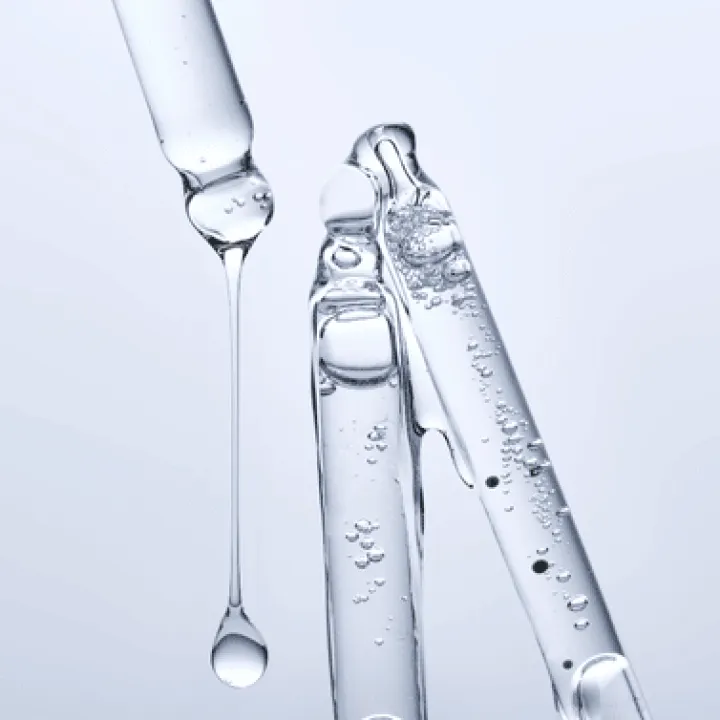
 

pipette cosmetiques peptides

What is a peptide?

Peptides are short chains of amino acids linked together by peptide bonds

They can be considered the building blocks of proteins such as collagen, elastin and keratin, which are essential for maintaining healthy skin and hair. Typically, peptides contain between 2 and 50 amino acids, whereas larger chains are classified as proteins. 

In the skin, peptides act as biological messengers. They communicate with cells and trigger specific responses, helping to regulate the production of structural proteins and other key molecules involved in skin health.


The growing peptide market

Over the last twenty years, peptides have evolved from niche cosmetic ingredients into mainstream actives.

cosmetic serum in hands

A fast-growing ingredient category

The first cosmetic products prominently promoting peptide technology appeared in the early 2000s. Since then, peptide-based innovation has expanded dramatically across all categories: face care, eye care, body care and hair care. 

Industry data shows that the share of anti-ageing face and eye care launches containing peptides increased from 31% in 2019 to 55% in 2023, highlighting their growing importance in cosmetic formulations. 

Meeting new consumer expectations

Today's consumers expect more than anti-ageing claims alone.

They seek ingredients that deliver scientifically proven efficacy, safety and skin compatibility, traceability credentials and of course, natural origin whenever possible.

As a result, peptides have become associated with efficacy, safety and innovation across all major beauty markets, particularly in Asia, Europe and North America. 
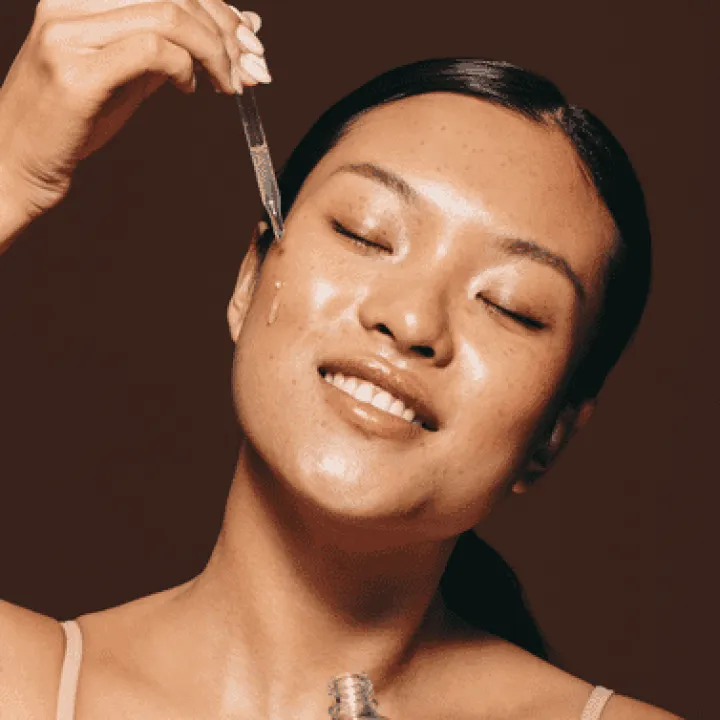
women applying serum

Synthetic vs natural peptides

As peptide technologies evolve, two approaches coexist within the cosmetic industry: synthetic peptides and natural peptides.

Synthetic peptides: precision by design

Synthetic peptides are produced through chemical synthesis or biotechnology processes designed to generate a specific amino acid sequence.
Their main advantages include:
•    Highly targeted mechanisms of action
•    Precise and reproducible structures
•    Strong scientific documentation
•    Specific biological targets
Synthetic peptides have played a major role in the development of modern cosmetic science and remain valuable tools for formulators. 

Natural-origin peptides: nature's plural intelligence

Peptides from natural origin are extracted from biological sources such as plants, fruits, seeds or algae using environmentally friendly processes such as enzymatic hydrolysis.
Unlike synthetic peptides, natural peptide ingredients generally contain a synergistic complex of peptides and complementary bioactive molecules, including sugars, oligosaccharides, minerals and polyphenols. This broader composition can support multiple biological pathways simultaneously. 

Why natural peptides represent the next generation of cosmetic actives

The future of peptide innovation will likely not be defined by greater complexity, but by greater relevance. Consumers increasingly expect cosmetic ingredients to deliver measurable efficacy while respecting environmental and ethical standards. Natural peptides answer both needs simultaneously.

Beyond their efficacy, natural peptides also fit perfectly within emerging concepts such as skin longevity, regenerative beauty, bio-inspiration and holistic wellness. In other words, natural peptides allow brands to connect advanced science with nature-inspired innovation.

plant extracts


Expanscience's natural peptide portfolio

At Expanscience, our peptide strategy is rooted in bio-inspiration, green extraction and traceable sourcing. Each ingredient has been developed from carefully selected natural resources rich in proteins and bioactive compounds. 

Active ingredient

Natural source

Main benefits

Sustainability highlights

ACTIMP Bio

ACTIMP® Bio

Organic white lupine peptidesAnti-ageing, firming, collagen stimulation, DEJ protectionOrganic and locally sourced in France 
EFFIPULP

EFFIPULP®

Upcycled avocado peptidesPlumping, detoxifying, endogenous hyaluronic acid boosterUpcycled avocado by-products, zero-waste approach 
ALGAENIA

ALGAENIA®

Chlamydomonas acidophila microalgae peptidesSoothing, anti-inflammatory, sensitive skin protectionCultivated microalgae from biotechnology sourced in France.
SWEETONE Bio

SWEETONE® Bio

Organic Schisandra berry peptides & sugarsAnti-redness, complexion unifying, soothing, anti-imperfectionsOrganic and FairWild-certified sourcing from China
SKINHAIRGIUM Bio

SKINHAIRGIUM® Bio

Organic maca peptides & sugarsAnti-wrinkle, radiance, hair strengthening, anti-hair lossOrganic and fair-trade sourcing from Peru 
AQUALICIA Bio

AQUALICIA® Bio

Organic Acacia macrostachya seed peptides Cellular hydration, barrier reinforcement, water managementBio-inspired active, sourced in Burkina Faso

The future of peptides is natural

Peptides have established themselves as one of the most powerful ingredient categories in cosmetics. However, as industry priorities evolve from performance alone toward a combination of efficacy, traceability and authenticity, natural peptides are emerging as the next frontier of innovation.

By combining the intelligence of nature with robust scientific validation, natural peptides offer a new generation of multifunctional actives capable of addressing today's most important skincare and haircare challenges.


Discover our range of active ingredients


Q&A – Peptides in cosmetics

What are peptides in cosmetics ?

In cosmetics, peptides act as biological messengers. They communicate with cells and trigger specific responses, helping to regulate the production of structural proteins and other key molecules involved in skin health.

Are peptides really effective in cosmetics ?

Depending on their structure, peptides can support multiple biological pathways, including:
•    Collagen and elastin synthesis for firmer skin
•    Hyaluronic acid production for enhanced hydration
•    Skin barrier function and epidermal renewal
•    Inflammatory response modulation
•    Hair follicle activity and scalp health
Rather than masking skin concerns, peptides help activate the skin's own mechanisms, making them highly attractive ingredients for preventive and long-term beauty strategies. 

What is the difference between collagen and peptides?

Collagen is a structural protein naturally found in the skin, bones, tendons, and connective tissues. It provides strength, firmness, and elasticity to these tissues.
Peptides, on the other hand, are short chains of amino acids that act as building blocks and biological messengers in the body. Among them, pro-collagen peptides play a key role in collagen synthesis.
In simple terms, collagen is produced by cells through the assembly of pro-collagen peptides.
 

Back to Home page